Classification vs CE Marking for Yachts: What Owners and Brokers Must Know

One of the most common — and costly — misunderstandings in yacht transactions concerns classification vs CE marking for yachts. Many often assume that the two overlap. In reality, they serve different legal and technical purposes and operate under entirely separate regimes.

This distinction applies to all classification societies, without exception.

At international level, the role of flag States in enforcing safety and technical standards is rooted in UNCLOS, which places primary responsibility on States for vessels flying their flag.


Two Regimes, Two Purposes

Classification is a voluntary technical regime administered by recognised classification societies. It focuses on:

  • structural integrity and seaworthiness,
  • machinery and safety systems, and
  • ongoing compliance through surveys.

Insurers, financiers, flag administrations and technical managers commonly rely on classification. It is a mark of quality and operational assurance. Many flag administrations recognise classification as a means of ensuring their fleets’ compliance with international technical requirements under the technical convetions.

Classification societies operate within an internationally recognised framework coordinated by the International Association of Classification Societies (IACS), which promotes uniform technical standards for ship safety and construction.

CE marking, by contrast, is a mandatory legal requirement under EU law. It arises from the Recreational Craft Directive (Directive 2013/53/EU) and determines whether a yacht may be:

  • placed on the EU market,
  • imported into the EU,
  • sold within the EU, or
  • put into service.

CE marking for recreational craft is governed by Directive 2013/53/EU, which sets the essential safety and environmental requirements for placing recreational craft on the EU market.

In short:
Classification confirms how a yacht is built and maintained.
CE marking confirms whether it may legally circulate within the EU.


Why Classification Alone Is Not Enough

A yacht may be fully classed and technically sound, yet still be non-compliant for EU market purposes.

Without valid CE compliance:

  • importation may be delayed or refused;
  • sales within the EU may be restricted;
  • charter operations may be impacted; and
  • costly remedial steps may be required at a late stage.

This is why understanding classification vs CE marking for yachts early in a transaction is essential. Discovering a CE gap after signing often leads to avoidable delay and expense.


An Important Clarification: The Role of Some Classification Societies

Some classification societies are also designated as EU Notified Bodies under the Recreational Craft Directive.

When acting in that separate legal capacity, they may:

  • carry out conformity assessments under the RCD; and
  • issue CE-related certificates under specific conformity modules.

However:

  • this role is governed by EU product legislation;
  • it results in separate documentation; and
  • it does not arise automatically from classification.

A classification certificate — regardless of which society issues it — never substitutes CE marking.


When Yachts Commonly Require Both

Many yachts, particularly larger or commercially operated vessels, carry:

  • classification, to satisfy technical, insurance and operational requirements; and
  • CE marking, to satisfy EU legal and market-access requirements.

The two regimes complement each other, but they are not interchangeable.


A Practical Rule of Thumb

If a yacht will be:

  • sold within the EU,
  • imported into the EU,
  • placed into service, or
  • materially modified,

CE compliance should always be reviewed independently of classification.

This approach reduces risk and keeps transactions on course.

Understanding the legal distinction between classification and CE marking is essential for yacht owners, brokers and managers operating in or into the EU.


How Asteria Advisory Supports Clients

Asteria Advisory works with owners to coordinate the yacht’s needs in terms of classification, CE conformity and EU regulatory compliance. We assist owners, managers and brokers in identifying the yacht’s needs early in order to align technical standards with legal requirements.

You can download the factsheet here.

Because in yacht transactions, clarity is not red tape.
It is risk management.


Disclaimer for Brokers and Intermediaries

This article is provided for general information purposes only and does not constitute legal or technical advice.

Classification status and CE compliance must be assessed on a case-by-case basis, taking into account the yacht’s build date, use, modifications and intended market. Brokers and intermediaries should avoid representing that classification equates to CE compliance and should recommend independent verification where EU market access is contemplated


Understanding Superyacht and Business Jet Tax — Barcelona, 2025

The “Understanding Superyacht and Business Jet Tax” conference, held in Barcelona and organised by Quaynote Communications in collaboration with the Superyacht VAT Think Tank (SYVTT), gathered leading industry professionals, advisors, and regulators to discuss evolving approaches to VAT, customs, and international tax compliance in the yachting and aviation sectors.

Asteria Advisory participated actively in the sessions, reflecting our ongoing commitment to bridging legal, fiscal, and operational perspectives in these highly regulated industries.


Temporary Admission in Aviation

The panel on Temporary Admission (TA) revealed how the system’s legal clarity continues to contrast with fragmented application across jurisdictions.
While the superyacht sector has integrated TA more systematically into operations, aviation still tends to view it primarily through a VAT lens rather than customs procedure.

Residence and user identification remain among the most complex aspects of compliance, particularly where aircraft ownership involves multiple layers or individuals with ties to several jurisdictions.
Speakers agreed that well-documented operational evidence and a clear understanding of user patterns are essential to mitigate risk and demonstrate compliance to tax authorities.


VAT and Customs in the Yachting Sector

The East Mediterranean remains a vibrant charter hub.
Greece’s e-charter framework continues to attract operators and owners, while Italy’s new guarantee requirement for fiscal representatives has introduced an additional compliance layer for non-EU companies.

The UK’s extension of the Temporary Admission period to 24 months was widely welcomed, although the treatment of VAT-paid status when vessels move between EU and UK waters remains uncertain.
Speakers emphasised that careful VAT documentation and consistent communication with local tax offices are essential to maintaining compliance as rules continue to evolve.


Financing and Substance in Aviation Structures

A case study on tax requalification risks highlighted how thin capitalisation, transfer pricing gaps, and lack of commercial substance can expose aviation structures to significant tax liabilities.
In the example discussed, excessive shareholder interest was reclassified as dividends, triggering a 35% withholding tax, even though no payments had been made.

The session underlined the need for arm’s-length financing, robust documentation, and clear operational alignment to maintain defensible aviation ownership and leasing arrangements — especially in an era of heightened scrutiny.


Call-Off Stock and Superyacht Operations

Another panel, co-hosted by Geraldine Spiteri of Asteria Advisory, explored the call-off stock or “quick fixes” simplification — a VAT mechanism allowing suppliers to pre-position goods, such as spare parts and consumables, across EU borders without triggering VAT until the goods are withdrawn.

The simplification offers practical benefits for fleet operators and shipyards by improving logistics and cash flow while maintaining VAT compliance.
It applies strictly to goods, not yachts themselves, and relies on accurate record-keeping and identification of the final customer.

The panel revisited the ECJ decisions in Facet BV and Jyske Finans, which clarified that VAT liability depends on ownership transfer and control of transport — principles that remain central to structuring compliant cross-border supply chains in the superyacht sector.


Looking Ahead

The co-hosts of the conference, who also chair the Superyacht VAT Think Tank (SYVTT), closed the event by sharing exciting plans for 2026 and discussing the possibility of holding next year’s edition in a new European location.
Their forward-looking approach reflects the Think Tank’s growing influence as a collaborative forum for VAT and customs specialists supporting the superyacht and aviation industries.


Building Bridges Between Law and Practice

Across all sessions, the message was consistent: compliance in luxury asset operations now depends on substance, documentation, and demonstrable practice.


As enforcement tightens, owners, operators, and advisors must translate complex VAT and customs frameworks into clear, workable solutions. Understanding superyacht and business jet tax is an important part of advising clients.

At Asteria Advisory, we view this evolution as an opportunity — to continue Building Bridges between law, logistics, and the real-world needs of clients operating across multiple jurisdictions. We have the right contacts to point you to the VAT advisors you will need anywhere in the EU.

Stay Connected

Follow Asteria Advisory on social media to stay updated with industry insights, developments, and legal perspectives in maritime, aviation, and business law.

🔹 LinkedIn
🔹 Facebook
🔹 Instagram

September is Yacht Show Season – Southern France and the Mediterranean

September marks the peak of yacht show season in Southern France and the Mediterranean, with significant events like the Cannes Yachting Festival and the Monaco Yacht Show bringing together industry leaders and yacht owners alike.

At Asteria, we offer comprehensive services for yacht owners, from acquisition and registration to day-to-day management and eventual sale.

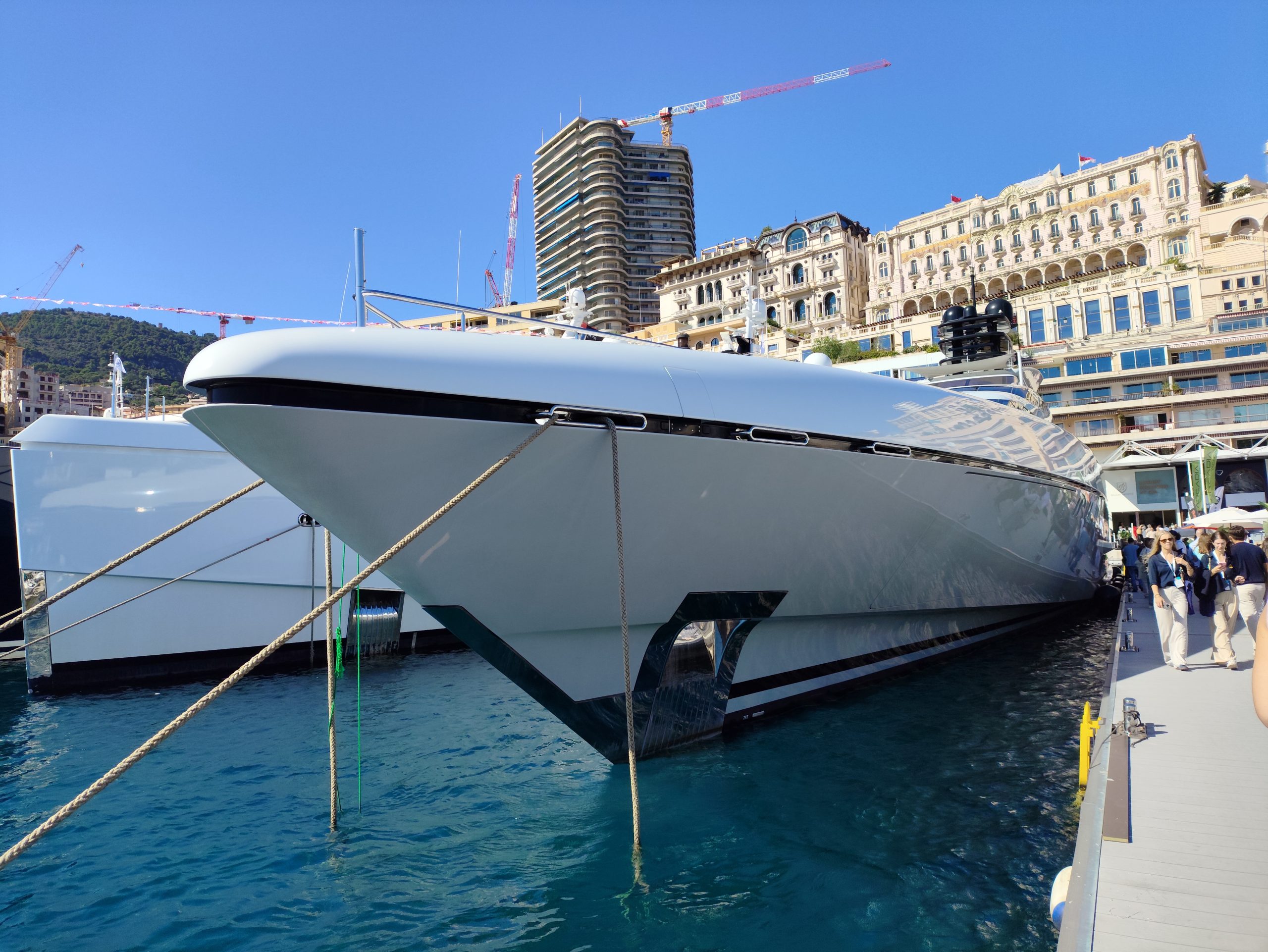
A yacht on display at the Monaco Yacht Show
Monaco Yacht Show brings together the majority of service providers in the yachting industry

Expert Yacht Management Services

Owning a yacht is a rewarding but complex experience. Whether you own a 100-meter superyacht or a smaller vessel for domestic navigation, proper registration, management, and ongoing compliance with international maritime conventions are crucial. Asteria offers a broad range of services to ensure that owning a yacht remains a pleasurable and hassle-free experience. Our services include:

  • Yacht acquisition and registration under the Malta flag
  • Day-to-day management, including crew selection and operational decisions
  • Charter management for commercial yachts to optimize revenue
  • Legal, financial, and tax advisory to make sound ownership decisions

We work closely with industry experts and ensure that every aspect of yacht ownership is handled professionally and efficiently.

Growing Yachting Industry in Malta & the Mediterranean

Malta has become a hub for the yachting industry, offering an attractive jurisdiction for yacht registration, operation, and charter. This is complemented by a growing network of professional services, from yacht servicing to legal and financial consultancy. Asteria stays ahead of industry developments, attending key yachting events to provide clients with the highest standard of service.

Networking at Key Yachting Events

September sees a flurry of yacht shows and events that bring together the best in the industry. After attending the Palma Superyacht Show earlier this year, Asteria will be at the Cannes Yachting Festival and the Monaco Yacht Show. These events are perfect opportunities for owners to explore new yachts, meet service providers, and network with potential partners. Asteria will be present at key stands, including Transport Malta, to continue forging relationships and stay at the forefront of yachting developments.

Why Choose Asteria?

Asteria provides a full range of services to ensure your yacht is well-managed and compliant with regulations. Whether you’re acquiring a yacht, exploring charter opportunities, or managing operational logistics, Asteria offers the expertise needed to make your yacht ownership experience seamless.


Ready to Learn More?

If you are attending one of the yacht shows or simply interested in learning more about our yacht management and consultancy services, please get in touch with us. Our team is ready to provide tailored advice to meet your unique needs.

Yacht Charter Season Support: Asteria’s Role Behind the Scenes

The Start of the Yacht Charter Season

Summer has arrived—and with it, the Mediterranean yacht charter season is in full swing. Ports are filling, crews are mobilised, and charters are underway. It’s a vibrant time, but also a demanding one. Asteria provides yacht charter season support to guide owners and operators through this busy time.

While guests enjoy turquoise bays and fine service, support teams work tirelessly in the background. Every successful summer on the water depends on expert planning and precise execution.

Why Behind-the-Scenes Support Matters

This is where yacht charter season support becomes essential.

Yacht managers and owners face tight schedules and increasing regulatory demands. Flag registration, crewing compliance, and documentation must be handled without delay. The smallest oversight can ripple into larger operational issues.

Having a reliable support team makes all the difference.

Asteria’s Role in Keeping Yachts Operational

At Asteria Advisory, we help our clients stay prepared. We offer:

  • Yacht and ship registration
  • Flag advice and administration
  • Corporate structuring for ownership
  • Crewing and compliance coordination
  • Documentation management for charters and operations

We understand how the marine environment works—because we’ve lived it, structured it, and supported it for years.

Our goal? To give owners, managers, and family offices peace of mind during their busiest season.

Building Bridges for a Successful Season

Our tagline, Building Bridges, reflects how we connect clients with the right solutions—across borders, time zones, and jurisdictions. Whether you’re preparing a vessel for charter or ensuring flag compliance mid-season, we’re here to help.

We work behind the scenes to support you during the yacht charter season so that your operations remain calm, clear, and compliant.


Wishing You a Smooth Season

To all our clients, collaborators, and colleagues in the maritime sector—we wish you a safe and successful summer. We have more updates coming – follow our Facebook and LinkedIn pages.

Let’s make this yacht charter season one to remember.

Asteria Advisory | Building Bridges
#YachtCharterSeasonSupport #SuperyachtLaw #YachtRegistration #FlagSupport #MaritimeAdvisory #AsteriaAdvisory

Monaco’s Blacklisting: Why Malta Stands as a Premier Alternative for Global Investors

Monaco’s Blacklisting: Why Malta is the Best Alternative for Investors

On June 10, 2025, the European Union added Monaco to its list of high-risk jurisdictions due to weaknesses in its anti-money laundering (AML) and counter-terrorist financing (CFT) frameworks. This move follows the Financial Action Task Force’s (FATF) decision to greylist Monaco.

For investors and businesses looking for a trusted and compliant jurisdiction, Malta stands out as the best alternative.

Strong AML and CFT Framework in Malta

Malta has a robust regulatory system to combat money laundering and terrorist financing. Its Prevention of Money Laundering Act criminalizes these activities under an “all crimes” approach. The Financial Intelligence Analysis Unit (FIAU) closely monitors compliance with strict regulations.

In summer 2025, the new Authority for Anti-Money Laundering and Countering the Financing of Terrorism (AMLA) should be operational. This is an EU-wide agency that strengthens oversight of high-risk financial entities.

Malta Meets Global Standards

Malta’s laws align fully with EU directives and FATF recommendations, ensuring high transparency and security. The country’s proactive AML/CFT approach has earned strong recognition internationally.

Why Choose Malta?

  • EU Membership: Access to the single market and trusted EU regulations.
  • Reputable Financial Sector: Strong banking, investment, and insurance industries under tight supervision.
  • Strategic Location: Central Mediterranean position connects Europe, Africa, and the Middle East.
  • Skilled Workforce: Multilingual and knowledgeable professionals in finance and law.
  • Hybrid legal system: an understanding of other legal systems which helps with compatibility
  • Double Tax treaties: with treaties with over 70 countries around the world, this helps with ensuring that tax is only paid once
  • Reputable maritime jurisdiction: a long-standing white flag and entrenched in maritime history and tradition, the Malta flag is respected in major ports around the world. This tonnage tax system is also much favoured by shipowners (and commercial yacht owners).
  • Growing and favoured aviation jurisdiction: the pragmatic and forward-looking approach has encouraged several companies to register their aircraft and owning structures here, for several reasons.

Conclusion

With Monaco blacklisted, Malta is a secure, compliant, and strategic choice for investors and financial institutions. Choosing Malta means partnering with a jurisdiction that prioritizes financial integrity and regulatory excellence.

At Asteria Advisory, we provide tailored solutions for registering your yacht or aircraft, setting up trusts or companies to own your asset, and creating tax-efficient structures to maximise Malta’s benefits.

If we don’t have the direct solution, we bring together the best professionals in our network to ensure your needs are fully met—no matter how complex.

Contact Asteria Advisory today and let us build the bridge to your seamless asset management in Malta.