Blog

  • The EU Space Act and Malta’s Growing Space Sector: Opportunity or Constraint?

    The EU Space Act and Malta’s Growing Space Sector: Opportunity or Constraint?

    On 25 June 2025, the European Commission published its proposal for a Regulation on the safety, resilience and sustainability of space activities, informally referred to as the EU Space Act. The public consultation opened on 15 July 2025 and continued until 24 November 2025.

    If adopted, the Regulation would establish the first single EU-level framework governing space activities across Member States. For small jurisdictions such as Malta, this development raises both strategic opportunities and practical challenges.

    The EU Space Act: A Single Regulatory Orbit

    The proposed Regulation is structured around three core pillars:

    • Safety
    • Resilience
    • Environmental sustainability

    The Commission has acknowledged that 13 different national approaches currently create fragmentation, additional compliance costs, and uncertainty for operators. The EU Space Act therefore seeks to harmonise rules on authorisation, registration, supervision, and market access in order to create a functioning single market for space services.

    The proposal also introduces mandatory debris mitigation, post-mission disposal requirements, collision-avoidance data sharing, cybersecurity obligations aligned with existing EU resilience frameworks, and enhanced risk-management requirements.

    The ambition is clear: Europe intends to position itself as a global standard-setter in space safety and sustainability.

    Malta’s National Space Framework

    Malta has not remained passive in this evolving landscape.

    Through the Malta National Space Strategy, ratification of the European Space Agency (ESA) Plan for European Cooperating States (PECS) Agreement in June 2024, and the ongoing work on a Draft Space Activities Act, Malta has been actively building its domestic legal and institutional capacity.

    The Draft Space Activities Act aims to establish:

    • Licensing requirements for space operators
    • Liability and safety provisions
    • Environmental safeguards
    • Supervisory mechanisms aligned with international obligations

    At the same time, engagement with ESA has strengthened Malta’s administrative and technical capabilities. These steps signal a deliberate effort to position Malta as a niche but credible participant in the European space ecosystem.

    Opportunities for Small Member States

    For Malta, a harmonised EU framework may offer tangible benefits.

    A single regulatory regime could reduce fragmentation and make it easier for Maltese-based startups and SMEs to scale across the EU market. Investor confidence may increase if authorisation and supervision follow common EU standards rather than diverging national approaches.

    An EU-level framework may also strengthen Malta’s credibility when attracting space-related investment and services.

    Risks and Implementation Challenges

    However, harmonisation is not cost-neutral.

    Several concerns have been raised by industry stakeholders:

    • The potential extra-territorial reach of the Regulation
    • The burden of compliance on SMEs and smaller operators
    • The reliance on delegated acts and technical standards to be adopted at a later stage
    • The risk that regulatory timelines may not align with innovation cycles

    For smaller Member States, administrative and supervisory capacity is a central issue. Harmonised rules often require national authorities to implement and enforce authorisation and reporting obligations. Without proportionality and transitional support, compliance costs may disproportionately affect emerging ecosystems.

    Malta’s competitive advantage has historically included regulatory agility. Harmonisation may reduce flexibility, even while increasing legal certainty.

    A Strategic Moment for Engagement

    The consultation period, open until 24 November 2025, represents a significant opportunity for Maltese stakeholders to engage constructively in shaping the final framework.

    These issues are not merely theoretical. They are currently being debated across legal, regulatory and industry forums as the EU Space Act progresses through consultation.

    I will be contributing to this discussion at an upcoming industry event, called ‘Space Data, Financial Futures: The New Frontier for Banking, Insurance and Law‘ and hosted by Xjenza Malta. We will be examining the implications of the EU Space Act for Malta and other small Member States. Such dialogue is essential to ensure that safety and sustainability objectives are met without imposing disproportionate burdens on emerging space ecosystems.

    Space Activities Act for Malta will be discussed at the upcoming conference in Malta, including how to access the space industry and funding

    Conclusion

    The EU Space Act is a significant and welcome step toward addressing fragmentation in European space regulation. Its focus on safety, resilience and sustainability reflects genuine and pressing concerns in an increasingly congested and commercialised orbital environment.

    For Malta, however, the Regulation presents a delicate balance.

    It may enhance market access and investor confidence. Yet it may also introduce new compliance demands and reduce national regulatory flexibility.

    The outcome will depend on how proportionality, transitional support, and capacity-building measures are embedded in the final text.

    As Malta continues to develop its national space framework, the interaction between domestic legislation and EU-level harmonisation will shape the island’s role in Europe’s emerging space economy.

    Asteria Advisory can support governments and economic operators in treading this delicate ground. Contact us for further information or a consultation.

    About the Author

    Dr Geraldine Spiteri is Founder and Principal Advisor at Asteria Advisory, advising on aviation, maritime and transport asset regulation, including aircraft and vessel registration, cross-border structuring and emerging space law frameworks. She is currently pursuing advanced studies in Air and Space Law at Leiden University.

  • Recognition of Qualifications – Marine & Aviation Professionals

    Recognition of Qualifications – Marine & Aviation Professionals

    I recently had an interesting exchange with Charles Pace, Malta’s Director-General for Civil Aviation and Transport at Transport Malta during a meeting of the Women in Aviation, Marine & Transport Malta. We discussed the recognition of qualifications and experiential training of marine and aviation professionals.

    One issue stood out: some of the most safety-critical professions — such as aircraft pilots and maritime captains — accumulate years of highly structured, regulated training and operational experience, yet much of this expertise is not formally recognised within traditional education frameworks.

    This also applies to training certified by international industry authorities in aviation and maritime sectors, global systems are shaped by UN-backed organisations such as International Civil Aviation Organization and International Maritime Organization. These standards keep global transport systems running — but often sit outside national academic recognition pathways.

    Skilled professionals can be discouraged from further study or progression because they need to repeat learning they already master, or cannot access programmes at all.

    In a digital, skills-driven era, professional development should not hinge solely on traditional certificates. Experience, regulated training, and demonstrable competence must form part of the recognition conversation.

    There is room here for smarter bridges between industry qualification systems and education frameworks — and that conversation is long overdue.

    About the Author

    Dr Geraldine Spiteri is Founder and Principal Advisor at Asteria Advisory, advising on aviation, maritime and transport asset regulation, including aircraft and vessel registration, cross-border structuring and emerging regulatory frameworks.

    Follow our News & Updates on this blog to hear more when something shifts in this field.

  • Amendments to the Companies Act

    Amendments to the Companies Act

    On 16 December 2025, several provisions of the Companies (Amendment) Act, 2025 entered into force in Malta by virtue of Legal Notice 286 of 2025. Alongside these legislative changes, the corresponding updates to statutory forms under the Companies Act were also effected through Legal Notice 287 of 2025.

    The Malta Business Registry (“MBR”) recently communicated a notice describing these changes. It underscored important regulatory updates for companies, their officers, and corporate service providers.

    What’s Now in Force

    The specific amending provisions of the Companies (Amendment) Act that came into effect include several sections. While the full legislation covers a broad scope of corporate law modernisation, a key practical outcome of these changes is the simplified dissolution procedure for eligible companies.

    New Simplified Dissolution Procedure

    One of the most significant updates introduced by these amendments is the simplified dissolution procedure (new Article 214A of the Act). This new route allows certain companies that have not traded, hold minimal or no assets, and have no outstanding liabilities to apply for dissolution more efficiently; they will also face lower administrative burden compared to traditional winding-up processes.

    To use this process, eligible entities must complete and submit prescribed forms through the MBR’s online system — BAROS (Business Automation Registry Online System) — rather than through manual filing.

    Updated Forms and Filing Requirements

    In parallel with the legislative enactment, the Companies Act (Forms) (Amendment No. 2) Regulations, 2025 (Legal Notice 287 of 2025) came into force. These regulations revise the statutory forms that correspond with the amended provisions of the Companies Act. They ensure that filing requirements align with the updated law.

    The MBR encourages companies and their officers to consult the User Guidelines published alongside these Legal Notices. These provide practical assistance on the application and interpretation of the updated procedures and forms.

    Practical Impact for Businesses

    These changes mark a continued shift toward digital compliance, streamlined administrative procedures and modernised company law in Malta. The simplified dissolution process will be of particular interest to stakeholders looking for a cost-effective exit mechanism for dormant or inactive companies.

    Companies and advisors should ensure they are using the latest statutory forms. Newnew applications must be submitted under the updated framework through the BAROS portal.

    Any questions on complying with the new provisions may be directed to us through our Contact page.


  • Classification vs CE Marking for Yachts: What Owners and Brokers Must Know

    Classification vs CE Marking for Yachts: What Owners and Brokers Must Know

    One of the most common — and costly — misunderstandings in yacht transactions concerns classification vs CE marking for yachts. Many often assume that the two overlap. In reality, they serve different legal and technical purposes and operate under entirely separate regimes.

    This distinction applies to all classification societies, without exception.

    At international level, the role of flag States in enforcing safety and technical standards is rooted in UNCLOS, which places primary responsibility on States for vessels flying their flag.


    Two Regimes, Two Purposes

    Classification is a voluntary technical regime administered by recognised classification societies. It focuses on:

    • structural integrity and seaworthiness,
    • machinery and safety systems, and
    • ongoing compliance through surveys.

    Insurers, financiers, flag administrations and technical managers commonly rely on classification. It is a mark of quality and operational assurance. Many flag administrations recognise classification as a means of ensuring their fleets’ compliance with international technical requirements under the technical convetions.

    Classification societies operate within an internationally recognised framework coordinated by the International Association of Classification Societies (IACS), which promotes uniform technical standards for ship safety and construction.

    CE marking, by contrast, is a mandatory legal requirement under EU law. It arises from the Recreational Craft Directive (Directive 2013/53/EU) and determines whether a yacht may be:

    • placed on the EU market,
    • imported into the EU,
    • sold within the EU, or
    • put into service.

    CE marking for recreational craft is governed by Directive 2013/53/EU, which sets the essential safety and environmental requirements for placing recreational craft on the EU market.

    In short:
    Classification confirms how a yacht is built and maintained.
    CE marking confirms whether it may legally circulate within the EU.


    Why Classification Alone Is Not Enough

    A yacht may be fully classed and technically sound, yet still be non-compliant for EU market purposes.

    Without valid CE compliance:

    • importation may be delayed or refused;
    • sales within the EU may be restricted;
    • charter operations may be impacted; and
    • costly remedial steps may be required at a late stage.

    This is why understanding classification vs CE marking for yachts early in a transaction is essential. Discovering a CE gap after signing often leads to avoidable delay and expense.


    An Important Clarification: The Role of Some Classification Societies

    Some classification societies are also designated as EU Notified Bodies under the Recreational Craft Directive.

    When acting in that separate legal capacity, they may:

    • carry out conformity assessments under the RCD; and
    • issue CE-related certificates under specific conformity modules.

    However:

    • this role is governed by EU product legislation;
    • it results in separate documentation; and
    • it does not arise automatically from classification.

    A classification certificate — regardless of which society issues it — never substitutes CE marking.


    When Yachts Commonly Require Both

    Many yachts, particularly larger or commercially operated vessels, carry:

    • classification, to satisfy technical, insurance and operational requirements; and
    • CE marking, to satisfy EU legal and market-access requirements.

    The two regimes complement each other, but they are not interchangeable.


    A Practical Rule of Thumb

    If a yacht will be:

    • sold within the EU,
    • imported into the EU,
    • placed into service, or
    • materially modified,

    CE compliance should always be reviewed independently of classification.

    This approach reduces risk and keeps transactions on course.

    Understanding the legal distinction between classification and CE marking is essential for yacht owners, brokers and managers operating in or into the EU.


    How Asteria Advisory Supports Clients

    Asteria Advisory works with owners to coordinate the yacht’s needs in terms of classification, CE conformity and EU regulatory compliance. We assist owners, managers and brokers in identifying the yacht’s needs early in order to align technical standards with legal requirements.

    You can download the factsheet here.

    Because in yacht transactions, clarity is not red tape.
    It is risk management.


    Disclaimer for Brokers and Intermediaries

    This article is provided for general information purposes only and does not constitute legal or technical advice.

    Classification status and CE compliance must be assessed on a case-by-case basis, taking into account the yacht’s build date, use, modifications and intended market. Brokers and intermediaries should avoid representing that classification equates to CE compliance and should recommend independent verification where EU market access is contemplated

  • Understanding Superyacht and Business Jet Tax — Barcelona, 2025

    Understanding Superyacht and Business Jet Tax — Barcelona, 2025

    The “Understanding Superyacht and Business Jet Tax” conference, held in Barcelona and organised by Quaynote Communications in collaboration with the Superyacht VAT Think Tank (SYVTT), gathered leading industry professionals. The conference discussed evolving approaches to VAT, customs, and international tax compliance, mainly in the yachting and aviation sectors.

    Asteria Advisory participated actively in the sessions. This reflects our ongoing commitment to bridging legal, fiscal, and operational perspectives in these highly regulated industries.


    Temporary Admission in Aviation

    The panel on Temporary Admission (TA) revealed how the system’s legal clarity continues to contrast with fragmented application across jurisdictions. The superyacht sector has integrated TA more systematically into operations. On the other hand, aviation still tends to view it primarily through a VAT lens rather than customs procedure.

    Residence and user identification remain among the most complex aspects of compliance, particularly where aircraft ownership involves multiple layers or individuals with ties to several jurisdictions.


    Speakers agreed that well-documented operational evidence and a clear understanding of user patterns are essential to mitigate risk and demonstrate compliance to tax authorities.


    VAT and Customs in the Yachting Sector

    The East Mediterranean remains a vibrant charter hub. Greece’s e-charter framework continues to attract operators and owners, while Italy’s new guarantee requirement for fiscal representatives has introduced an additional compliance layer for non-EU companies.

    The UK’s extension of the Temporary Admission period to 24 months was widely welcomed. However, treatment of VAT-paid status when vessels move between EU and UK waters remains uncertain.


    Speakers emphasised that careful VAT documentation and consistent communication with local tax offices are essential to maintaining compliance as rules continue to evolve.


    Financing and Substance in Aviation Structures

    A case study on tax requalification risks highlighted how thin capitalisation, transfer pricing gaps, and lack of commercial substance can expose aviation structures to significant tax liabilities.


    In the example discussed, excessive shareholder interest was reclassified as dividends, triggering a 35% withholding tax, even though no payments had been made.

    The session underlined the need for arm’s-length financing, robust documentation, and clear operational alignment to maintain defensible aviation ownership and leasing arrangements. This is especially important in the current environment of heightened scrutiny.


    Call-Off Stock and Superyacht Operations

    Another panel, co-hosted by Geraldine Spiteri, explored the call-off stock or “quick fixes” simplification. This is a VAT mechanism allowing suppliers to pre-position goods, such as spare parts and consumables, across EU borders without triggering VAT until the goods are withdrawn.

    The simplification offers practical benefits for fleet operators and shipyards by improving logistics and cash flow while maintaining VAT compliance.
    It applies strictly to goods, not yachts themselves, and relies on accurate record-keeping and identification of the final customer.

    The panel revisited the ECJ decisions in Facet BV and Jyske Finans. This case clarified that VAT liability depends on ownership transfer and control of transport. These principles remain central to structuring compliant cross-border supply chains in the superyacht sector.


    Looking Ahead

    The event concluded by sharing exciting plans for 2026 and discussing the possibility of holding next year’s edition in a new European location.
    The cohosts’ forward-looking approach reflects the Think Tank’s growing influence as a collaborative forum for VAT and customs specialists supporting the superyacht and aviation industries.


    Building Bridges Between Law and Practice

    Across all sessions, the message was consistent: compliance in luxury asset operations now depends on substance, documentation, and demonstrable practice.


    As enforcement tightens, owners, operators, and advisors must translate complex VAT and customs frameworks into clear, workable solutions. Understanding superyacht and business jet tax is an important part of advising clients.

    At Asteria Advisory, we view this evolution as an opportunity — to continue Building Bridges between law, logistics, and the real-world needs of clients operating across multiple jurisdictions. We have the right contacts to point you to the VAT advisors you will need anywhere in the EU.

    About the Author

    Dr Geraldine Spiteri is Founder and Principal Advisor at Asteria Advisory, advising on aviation, maritime and transport asset regulation, including aircraft and vessel registration, cross-border structuring and emerging regulatory frameworks.

    Stay Connected

    Follow Asteria Advisory on social media to stay updated with industry insights, developments, and legal perspectives in maritime, aviation, and business law.

    🔹 LinkedIn
    🔹 Facebook
    🔹 Instagram

    Contact

    Clients and industry professionals are invited to connect and explore how Asteria Advisory can provide expert guidance in the marine and aviation sectors.

  • September is Yacht Show Season – Southern France and the Mediterranean

    September is Yacht Show Season – Southern France and the Mediterranean

    September marks the peak of yacht show season in Southern France and the Mediterranean, with significant events like the Cannes Yachting Festival and the Monaco Yacht Show bringing together industry leaders and yacht owners alike.

    At Asteria, we offer comprehensive services for yacht owners, from acquisition and registration to day-to-day management and eventual sale.

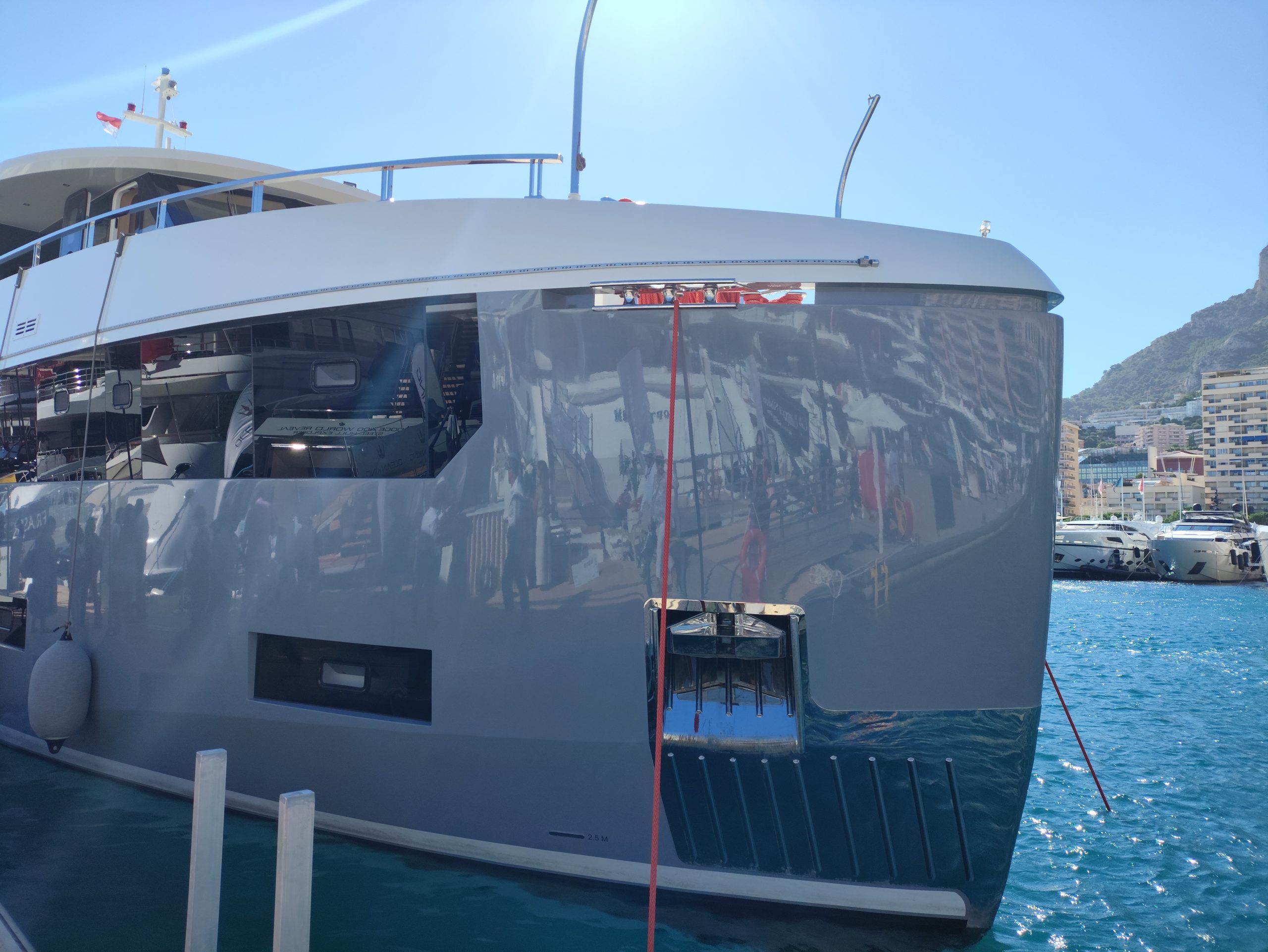
    A superyacht, the Moonrise, lies at berth in Malta in September 2024
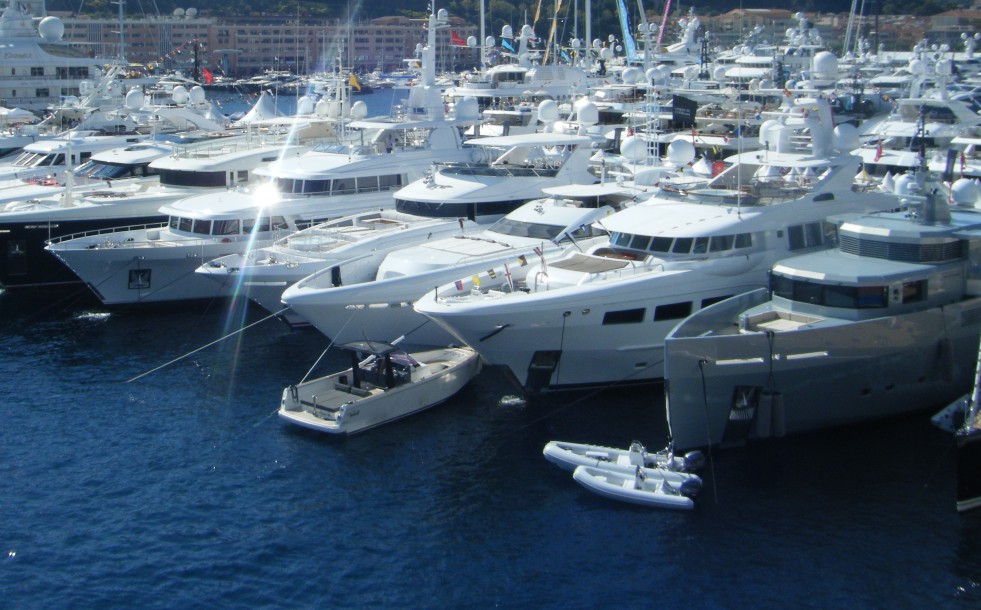
    Monaco Yacht Show brings together the majority of service providers in the yachting industry

    Expert Yacht Management Services

    Owning a yacht is a rewarding but complex experience. Whether you own a 100-meter superyacht or a smaller vessel for domestic navigation, proper registration, management, and ongoing compliance with international maritime conventions are crucial. Asteria offers a broad range of services to ensure that owning a yacht remains a pleasurable and hassle-free experience. Our services include:

    • Yacht acquisition and registration under the Malta flag
    • Day-to-day management, including crew selection and operational decisions
    • Charter management for commercial yachts to optimize revenue
    • Legal, financial, and tax advisory to make sound ownership decisions

    We work closely with industry experts and ensure that every aspect of yacht ownership is handled professionally and efficiently.

    Growing Yachting Industry in Malta & the Mediterranean

    Malta has become a hub for the yachting industry, offering an attractive jurisdiction for yacht registration, operation, and charter. This is complemented by a growing network of professional services, from yacht servicing to legal and financial consultancy. Asteria stays ahead of industry developments, attending key yachting events to provide clients with the highest standard of service.

    Networking at Key Yachting Events

    September sees a flurry of yacht shows and events that bring together the best in the industry. After attending the Palma Superyacht Show earlier this year, Asteria will be at the Cannes Yachting Festival and the Monaco Yacht Show. These events are perfect opportunities for owners to explore new yachts, meet service providers, and network with potential partners. Asteria will be present at key stands, including Transport Malta, to continue forging relationships and stay at the forefront of yachting developments.

    Why Choose Asteria?

    Asteria provides a full range of services to ensure your yacht is well-managed and compliant with regulations. Whether you’re acquiring a yacht, exploring charter opportunities, or managing operational logistics, Asteria offers the expertise needed to make your yacht ownership experience seamless.


    Ready to Learn More?

    If you are attending one of the yacht shows or simply interested in learning more about our yacht management and consultancy services, please get in touch with us. Our team is ready to provide tailored advice to meet your unique needs.

  • Yacht Charter Season Support: Asteria’s Role Behind the Scenes

    Yacht Charter Season Support: Asteria’s Role Behind the Scenes

    The Start of the Yacht Charter Season

    Summer has arrived—and with it, the Mediterranean yacht charter season is in full swing. Ports are filling, crews are mobilised, and charters are underway. It’s a vibrant time, but also a demanding one. Asteria provides yacht charter season support to guide owners and operators through this busy time.

    While guests enjoy turquoise bays and fine service, support teams work tirelessly in the background. Every successful summer on the water depends on expert planning and precise execution.

    Why Behind-the-Scenes Support Matters

    This is where yacht charter season support becomes essential.

    Yacht managers and owners face tight schedules and increasing regulatory demands. Flag registration, crewing compliance, and documentation must be handled without delay. The smallest oversight can ripple into larger operational issues.

    Having a reliable support team makes all the difference.

    Summer is here and the role of service providers like Astera is to ensure smooth operations and financial flows

    Asteria’s Role in Keeping Yachts Operational

    At Asteria Advisory, we help our clients stay prepared. We offer:

    • Yacht and ship registration
    • Flag advice and administration
    • Corporate structuring for ownership
    • Crewing and compliance coordination
    • Documentation management for charters and operations

    We understand how the marine environment works—because we’ve lived it, structured it, and supported it for years.

    Our goal? To give owners, managers, and family offices peace of mind during their busiest season.

    Building Bridges for a Successful Season

    Our tagline, Building Bridges, reflects how we connect clients with the right solutions—across borders, time zones, and jurisdictions. Whether you’re preparing a vessel for charter or ensuring flag compliance mid-season, we’re here to help.

    We work behind the scenes to support you during the yacht charter season so that your operations remain calm, clear, and compliant.

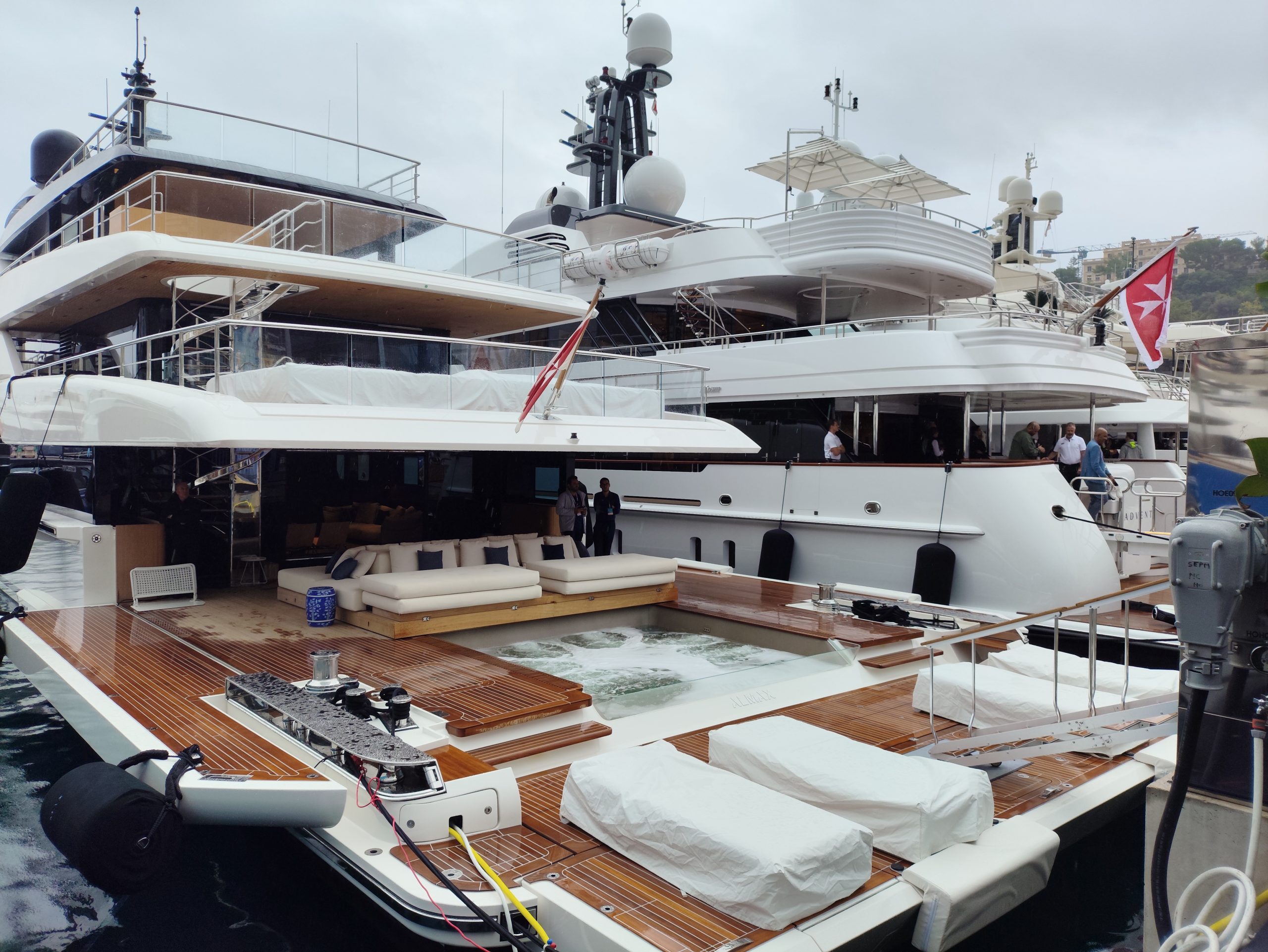
    Asteria provides support during the highly active superyacht season

    Wishing You a Smooth Season

    To all our clients, collaborators, and colleagues in the maritime sector—we wish you a safe and successful summer. We have more updates coming – follow our Facebook and LinkedIn pages.

    Let’s make this yacht charter season one to remember.

    Asteria Advisory | Building Bridges
    #YachtCharterSeasonSupport #SuperyachtLaw #YachtRegistration #FlagSupport #MaritimeAdvisory #AsteriaAdvisory

  • Monaco’s Blacklisting: Why Malta Stands as a Premier Alternative for Global Investors

    Monaco’s Blacklisting: Why Malta Stands as a Premier Alternative for Global Investors

    Monaco’s Blacklisting: Why Malta is the Best Alternative for Investors

    On June 10, 2025, the European Union added Monaco to its list of high-risk jurisdictions due to weaknesses in its anti-money laundering (AML) and counter-terrorist financing (CFT) frameworks. This move follows the Financial Action Task Force’s (FATF) decision to greylist Monaco.

    For investors and businesses looking for a trusted and compliant jurisdiction, Malta stands out as the best alternative.

    Strong AML and CFT Framework in Malta

    Malta has a robust regulatory system to combat money laundering and terrorist financing. Its Prevention of Money Laundering Act criminalizes these activities under an “all crimes” approach. The Financial Intelligence Analysis Unit (FIAU) closely monitors compliance with strict regulations.

    In summer 2025, the new Authority for Anti-Money Laundering and Countering the Financing of Terrorism (AMLA) should be operational. This is an EU-wide agency that strengthens oversight of high-risk financial entities.

    Malta Meets Global Standards

    Malta’s laws align fully with EU directives and FATF recommendations, ensuring high transparency and security. The country’s proactive AML/CFT approach has earned strong recognition internationally.

    Why Choose Malta?

    • EU Membership: Access to the single market and trusted EU regulations.
    • Reputable Financial Sector: Strong banking, investment, and insurance industries under tight supervision.
    • Strategic Location: Central Mediterranean position connects Europe, Africa, and the Middle East.
    • Skilled Workforce: Multilingual and knowledgeable professionals in finance and law.
    • Hybrid legal system: an understanding of other legal systems which helps with compatibility
    • Double Tax treaties: with treaties with over 70 countries around the world, this helps with ensuring that tax is only paid once
    • Reputable maritime jurisdiction: a long-standing white flag and entrenched in maritime history and tradition, the Malta flag is respected in major ports around the world. This tonnage tax system is also much favoured by shipowners (and commercial yacht owners).
    • Growing and favoured aviation jurisdiction: the pragmatic and forward-looking approach has encouraged several companies to register their aircraft and owning structures here, for several reasons.

    Conclusion

    With Monaco blacklisted, Malta is a secure, compliant, and strategic choice for investors and financial institutions. Choosing Malta means partnering with a jurisdiction that prioritizes financial integrity and regulatory excellence.

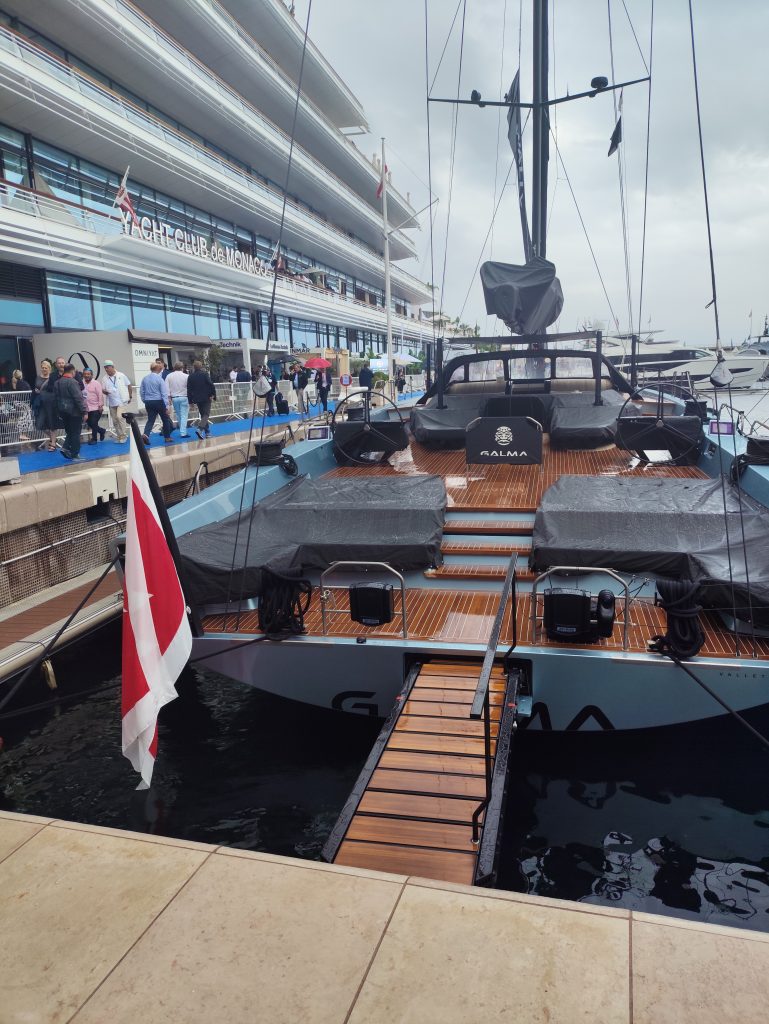
    Sailing Yacht Displayed at the Monaco Yacht Show alongside the Monaco Yacht Club

    At Asteria Advisory, we provide tailored solutions for registering your yacht or aircraft, setting up trusts or companies to own your asset, and creating tax-efficient structures to maximise Malta’s benefits.

    If we don’t have the direct solution, we bring together the best professionals in our network to ensure your needs are fully met—no matter how complex.

    Contact Asteria Advisory today and let us build the bridge to your seamless asset management in Malta.

  • Yachting Update: Commercial Yacht Code

    Yachting Update: Commercial Yacht Code

    Transport Malta has issued a new Commercial Yacht Code, applicable as of the 01 July 2025. This comes after months consultation and effort to bring together an updated standard for the industry.

    🛥️ Scope & Applicability

    • Applies to all commercial yachts over 24 m in length, with any gross tonnage, replacing CYC 2020.
    • Small Commercial Yacht Code (sCYC) remains in effect for yachts under 24 m.

    🔍 Key Updates & Enhancements

    1. Regulatory Alignment & Streamlining

    • Reflects international safety standards, updated technologies, and industry practices.
    • Aims to streamline the regulatory framework, making compliance more operationally effective.

    2. Enhanced Safety Measures

    • Greater emphasis on safety systems, including improvements in navigation, firefighting, and structural integrity (though specific clauses are in the full Code).

    3. Environmental & Operational Efficiency

    • Introduces stricter provisions on pollution prevention, waste handling, and fuel safety for onboard aviation refuelling, reflecting modern environmental best practices.

    4. Technological Advancements

    • Broadened acceptance and specific requirements for battery-powered and hybrid vessels, with mandatory classification throughout certification.
    • Updated provisions for helidecks, including CCTV coverage and fuel handling protocols.

    5. Surveying & Certification Regime

    • Maintains existing structure: initial, intermediate, and annual surveys for vessels ≥ 24 m, renewing every five years.
    • Potential allowance for alternative compliance agreements, enhancing flexibility.

    6. Crew & Operational Management

    • While details are in the Code, improved clarity is suggested for manning, training, and crew welfare.

    🧭 Why This Matters

    • Regulatory consistency: Harmonises Malta’s code with global standards and advances in marine design.
    • Ongoing compliance: Existing vessels are given a clear update pathway, minimizing disruptions.
    • Environmental leadership: Demonstrates Malta’s dedication to marine ecology through enhanced pollution controls.
    • Tech readiness: Encourages adoption of eco-friendly propulsion and modern safety systems.

    ✅ What You Should Do:

    1. Familiarize yourself with the full CYC 2025 document, especially chapters relevant to safety, environment, and systems integration.
    2. Schedule your vessel’s first renewal survey after 31 Dec 2025 to ensure compliance.
    3. Discuss with your surveyor/RO about updated battery and helideck requirements, classification needs, and operational policies.
    4. Follow this page, or our profile on LinkedIn, or see what Geraldine is up to in the yachting world.
    New Malta commercial yacht code is in force from 01 July 2025
  • Asteria is attending 7th CAMS

    Asteria is attending 7th CAMS

    Asteria is attending 7th CAMS Conference, being held in Malta and organised by Aeropodium.

    CAMOs operate at the intersection of operational responsibility and legal accountability. While their goal is technical—ensuring ongoing airworthiness—their playing field is deeply shaped by an ever-evolving regulatory framework.

    Dr Geraldine Spiteri is moderating the conference, which will deal with data issues, rethinking CAMO operations, director responsibilities and much more. She will be presenting on key challenges facing CAMO, focussing on regulatory challenges.

    Watch this space for an update on the information shared during the conference.